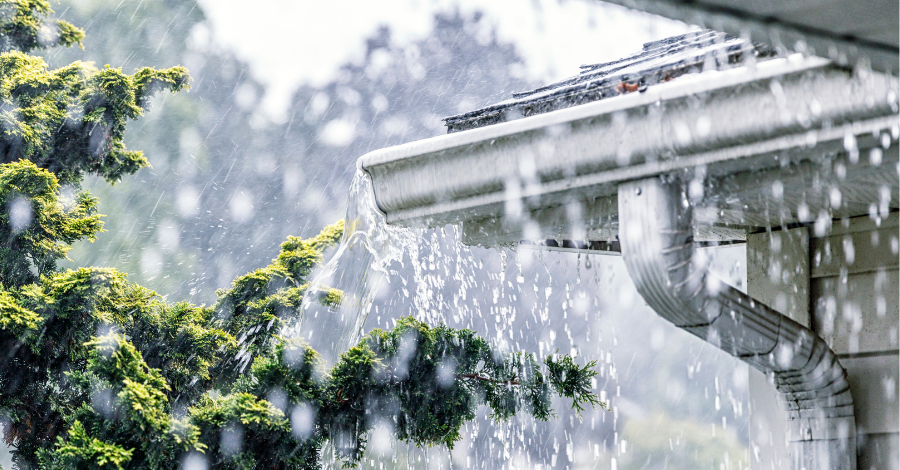
Protect yourself, family, and property against flash flooding.
Fire may be a more common concern among homeowners, but in fact your home may be ten times more likely to be damaged by water than by fire. Water damage to one’s property can come from weather related conditions such as moisture or flooding from heavy rains, flash floods, and severe storms. Flooding is always a possibility due to causes such as heavy rains in a short period of time.
HEALTH IMPACT
Flooding can cause a range of health impacts and risks, including: death / injury, contaminated drinking water, disease-carrying insects / rodents, moldy houses, and evacuation / displacement.
Extreme rain can cause excessive runoff which can overwhelm water and sewage and septic fields causing contamination.
Extreme rainfall can also stimulate the growth of molds and fungi, resulting in increasing rates of respiratory illnesses in people exposed to them. Knowing the difference between WATCHES and WARNINGS can help you be better prepared for flash flooding and or severe weather conditions. A National Weather Service WATCH is a message indicating that conditions favor the occurrence of a certain type of hazardous weather. An National Weather Service WARNING indicates that a hazardous event is occurring or is about to happen 30 minutes to an hour. Local NWS forecast offices issue warnings on a county-by-county basis. Many more WATCHES are issued than WARNINGS. A WATCH is the first sign a flood may occur, and when one is issued, you should be aware of potential flood hazards.
Protecting Your Family and Property Before, During and After a Flood
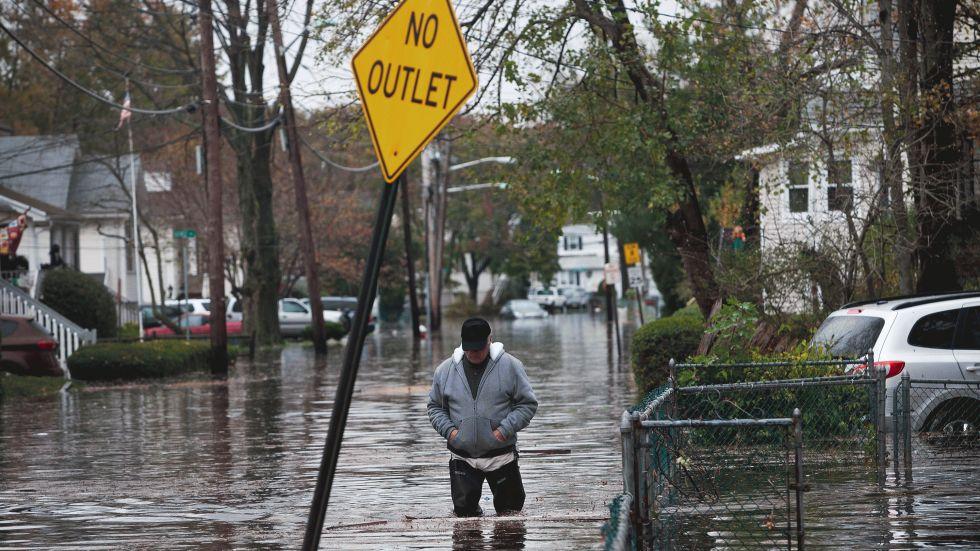
Before the Flood:
- Know your properties flood zone risk
- Have your furnace, water heater and other permanent equipment elevated above the expected flood levels of your area.
- Inspect sump pumps and drains regularly to ensure proper operation.
- If you own a generator, have a licensed electrician provide a transfer switch to your sump pump so you can operate it in the event of flooding and or invest in a dedicated battery backup system for your sump pump.
- To help prevent sewage backup, have a licensed plumber install an interior or exterior backflow prevention valve.
- Keep sandbags on hand to help divert unusually high water away from your foundation.
- In snowy climates, flag drains to avoid plowing snow on top of them.
- Collect emergency building materials if you live in a frequently flooded area. These may include plywood, plastic sheeting, lumber, nails, shovels and sandbags.
- Plan and practice an evacuation route. Designate a place for family members to meet in the event they become separated. Discuss a meeting place with your children if an emergency situation occurs.
- Review with all family members how to shut off utilities in an emergency.
- Plan a survival kit with important documents, including insurance documents,medications and critical items in the event you need to leave your home.
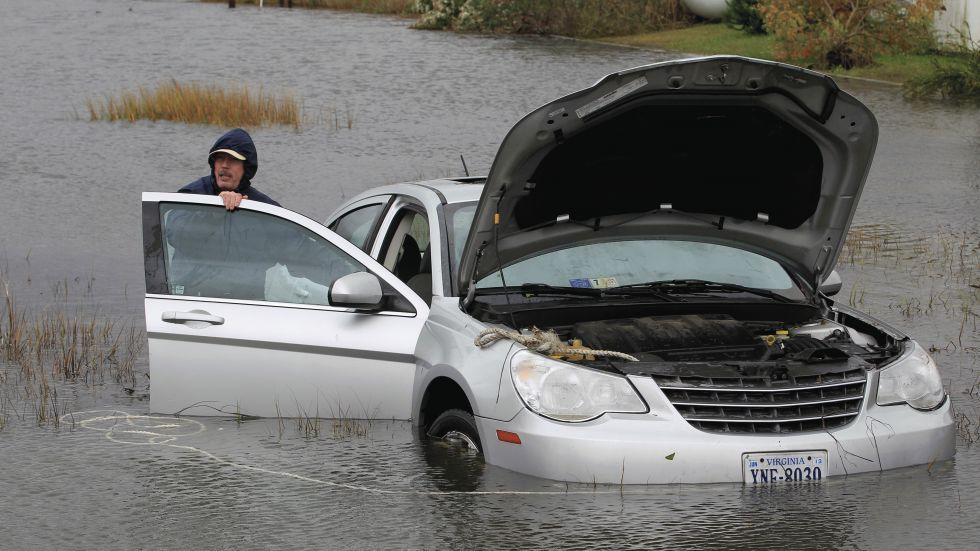
During the Flood:
- Listen to a battery-operated radio or television for the latest storm information. If advised to evacuate, shut off all utilities and evacuate immediately.
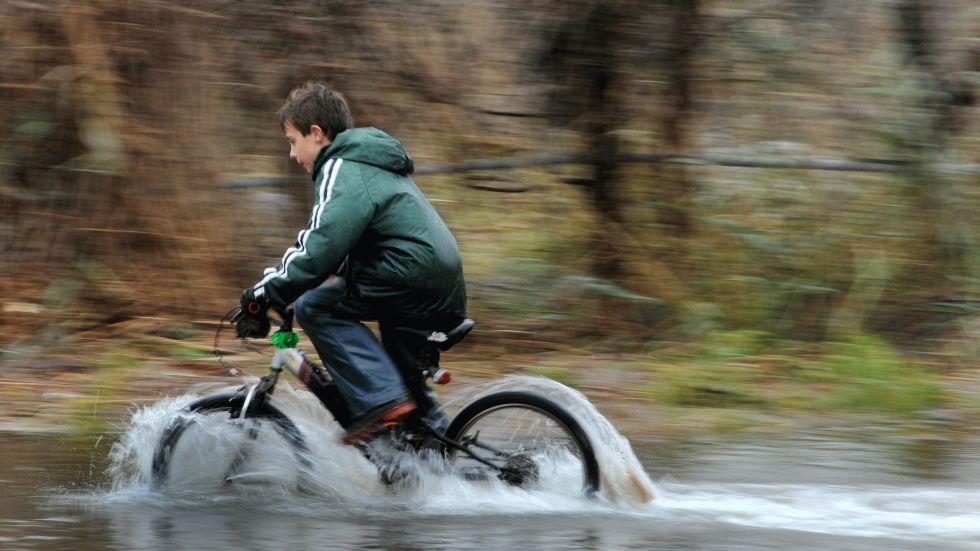
- Move to high ground, avoid rising waters and do not walk or drive through any flood waters.
- Stay away from downed power lines and electrical wires.
After the Flood:
- Listen to the radio and do not return home until authorities indicate it is safe to do so.
- Once allowed back into your home, inspect it for damage. If your property has been damaged, promptly report the loss.
- Throw away all food that has come in contact with flood waters.
- Remove standing water as quickly as possible, including from your basement. If your basement is flooded, pump out about 1/3 of the water per day to avoid structural damage.
- Properly dry or remove soaked carpets, padding and up holstery within 24-48 hours after a flood to prevent mold growth. Discard anything that cannot be properly dried.
- Wash and disinfect all areas that have been flooded. This includes walls, floors,closets and shelves, as well as heating and air-conditioning systems. Do not energize electrical or electronic equipment that may have water damage without first having a qualified electrician inspect and/or test it.
Get this free comprehensive guide for more information on "Is Your Home Making You Sick?
Learn more about Indoor air pollution, increased risk health, and how to determine if you are at risk.
Request your free guide now

Find Out What it Takes to Make it Right
Schedule your free estimate to start
the process for making your home healthy
WHAT TO EXPECT FROM YOUR ESTIMATE
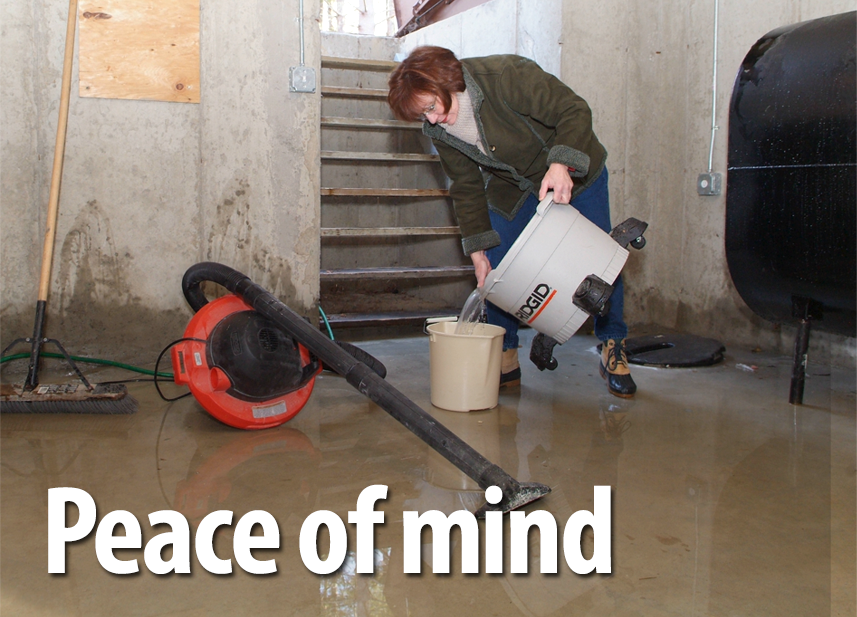
Ground Water Control
Sump Pump System
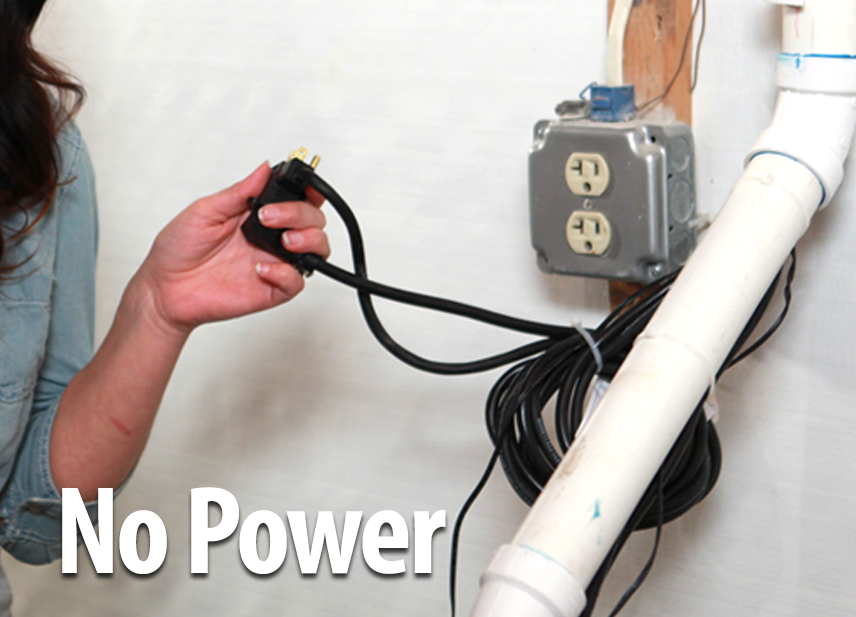
Sump Pump Backup Protection
Battery Backup Systems
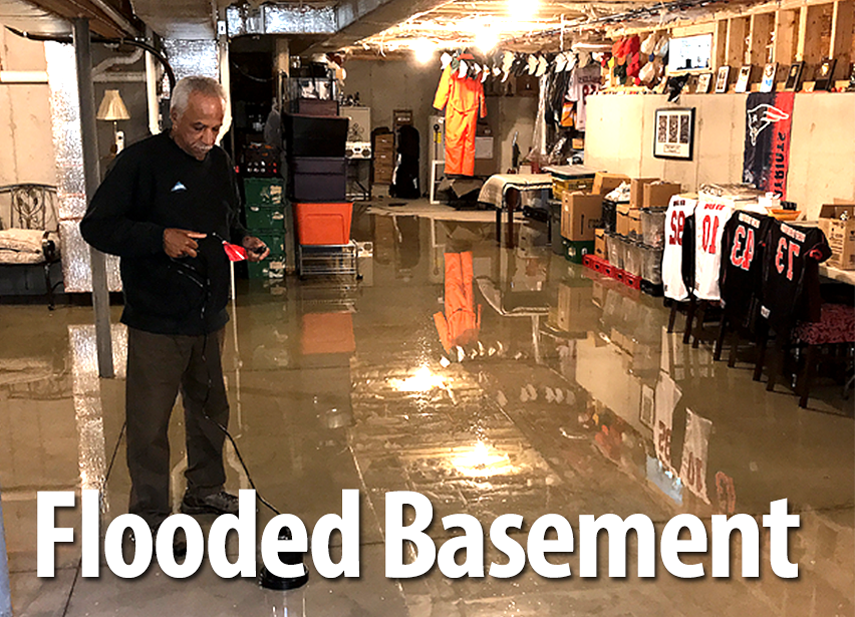
Full Perimeter Drainage System
GrateDrain System

Full Wall Protection
Vapor Barrier

Moisture Control
Dehumidifiers
Maintenance & Upkeep
Sump Pump Cleaning & Service
Extremely professional and able to cater to our specific application. Same with the crew, who arrived on time and were in and out in probably three hours. The final result was an immaculate, well designed and highly efficient sump pump system. I am no longer haunted by the loud and obnoxious clank. The first couple of days I found myself checking on the system to ensure it was still operating properly because it was so quiet. Very satisfied and would strongly recommend.
Steve H.
A couple of weeks ago I made a great investment in my house. I had my basement waterproofed. It saved me hours using my shop vac sucking up the water caused by the rain. Notice the 2 exit pipes, one is electric the other is battery powered so when the power goes out so does the water. — feeling thankful.
George S.
Sign Up For Your FREE Estimate